
Acceptance & Healing: (Stage 3)
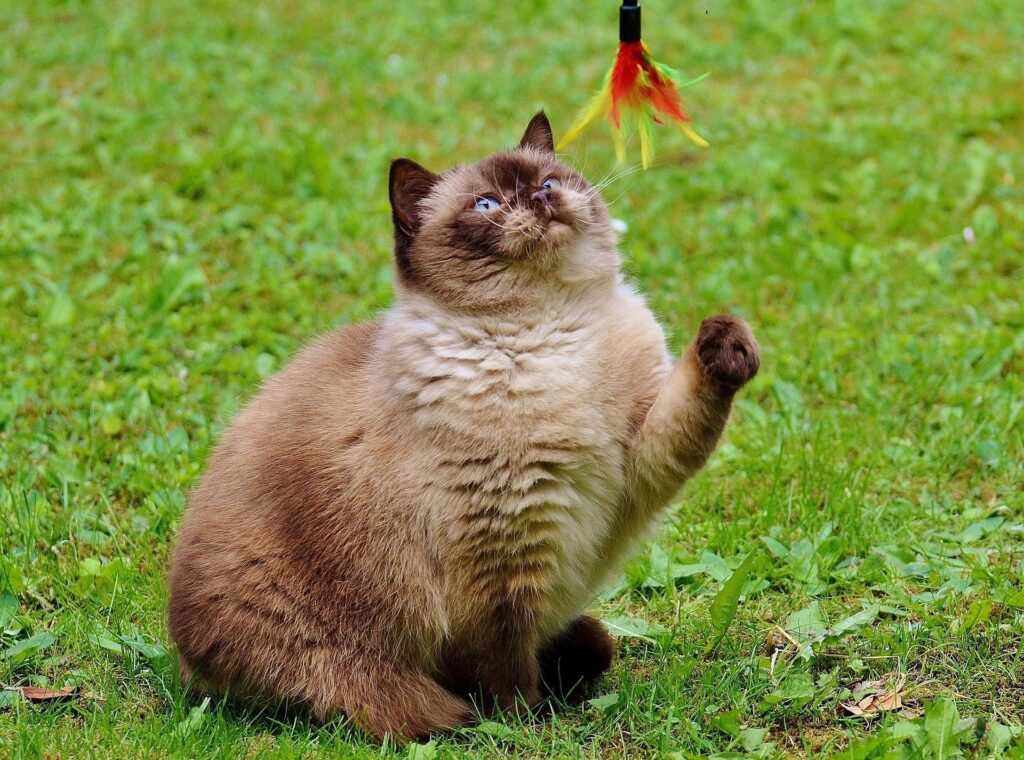
How to Heal After Losing Your Pet Cat
As the intensity of grief slowly softens, many people begin to enter stage 3: acceptance and healing, a stage that isn’t about “getting over” your cat but gently learning how to live with their memory in a way that brings more warmth than pain. Acceptance doesn’t arrive all at once; it comes in small, quiet moments. You might notice you can talk about your cat without crying, or you feel a little lighter when you think of them. Grief specialists often describe this stage as the point where the heart begins to integrate the loss, allowing space for both sadness and love to coexist (Okafor, 2026). It’s not the end of grief, it’s the beginning of a new relationship with the memory of your companion.
What to Expect When Healing from Cat Loss
During this stage, many cat owners find themselves reconnecting with daily life in a way that feels more grounded. The routines that once felt unbearably empty begin to settle into new rhythms.
You may still miss your cat deeply, that never truly disappears, but the sharpness of the pain softens into something more gentle, more reflective. This is also the stage where people naturally start seeking ways to honor their cat’s memory, whether through creating a small memorial, keeping a favorite toy, or simply telling stories about them. These acts of remembrance are recognized as healthy coping strategies that support emotional healing and help maintain a loving bond with your pet.
Healing after losing a cat means allowing their memory to become a source of comfort rather than constant sorrow.
You may notice moments of peace returning, a quiet morning that feels calm, a smile when you remember something silly, they used to do, or a sense of gratitude for the years you shared. These moments are signs that your heart is finding its way forward. Acceptance is not a process to rush, it’s a slow return to yourself. And through it all, your cat remains a part of your story, not in the painful absence of stage two, but in the enduring love that continues to shape your life long after they’re gone.
Final Thoughts
Acceptance and healing after losing your cat unfold slowly, often in small, tender moments where sadness and love begin to coexist. This stage isn’t about “getting over” your cat but learning to carry their memory in a way that brings comfort rather than constant pain. As you start reconnecting with daily life, you may find yourself honoring their presence through routines, memories, or quiet reflections that keep their spirit close. Over time, the sharpness of grief softens, making room for warmth, gratitude, and a deeper sense of peace. Healing doesn’t mean forgetting, it means finding a way to live with the love that remains.
Okafor, D. D. (2026). Stages of Grief: What Modern Research Actually Shows (2026). In Simplypsychology.com. Simply Psychology.
Stages of Grief: What Modern Research Actually Shows (2026) | Simply Psychology